
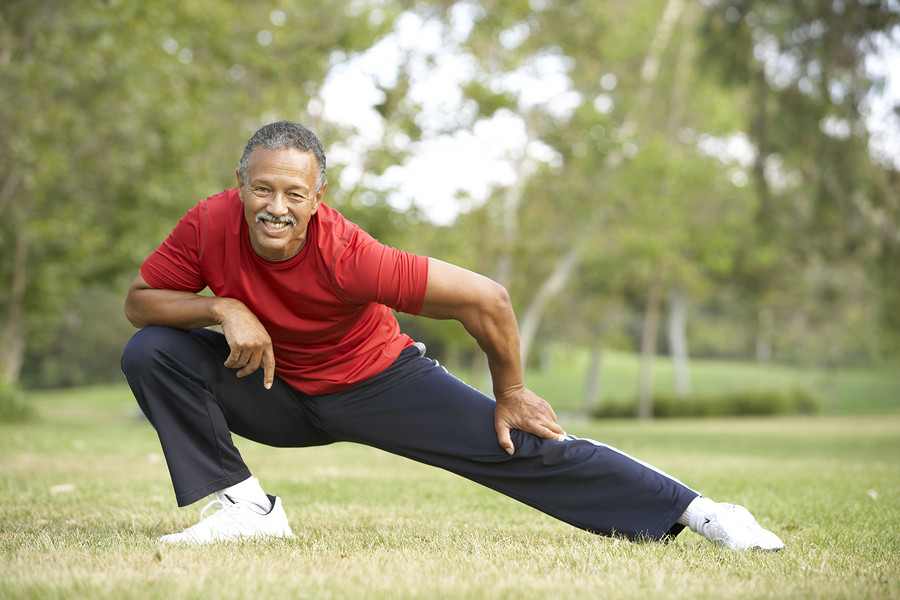
When heading into the gym, most people focus on their workout routine—whether it’s a jog on the treadmill or an arm day session with bicep curls. However, fitness experts emphasize that how you start and end your workouts can significantly impact your performance and recovery.
Why Stretching Matters
Muscles need time to warm up before intense activity, and stretching helps increase blood circulation, flexibility, and range of motion. Improved flexibility enhances overall performance, especially in movements that involve bending, contraction, and pulling. Additionally, stretching lowers the risk of injury, making it a crucial part of any workout regimen.
“A lot of people like to jump right into the workout, but stretching before and after is what’s going to determine how effective your workout can be for today and the next time you do it,” said Whitney Houlin, a personal trainer and director of training and fitness at WeGym in West Hartford, Connecticut.
Dynamic vs. Static Stretching: What’s Best?
Experts recommend incorporating both dynamic and static stretching into workouts.
- Dynamic stretching, which involves moving a joint through its full range of motion, is best before exercise. Examples include leg swings, arm circles, and walking lunges.
- Static stretching, where a position is held for several seconds, is useful for post-workout recovery. This type of stretching can be active (engaging other muscles to hold the stretch) or passive (using gravity or stretching tools).
Studies have produced mixed results on which type of stretching is best for warm-ups. A 2003 study suggested static stretching before exercise could reduce muscle performance, while a 2019 review found it could improve muscle strength in general fitness routines. However, more recent research leans toward dynamic stretching for pre-workout, as it prepares the body for movement and helps prevent injuries.
The Science Behind Stretching
A 2023 study on athletic performance found that dynamic stretches were more effective in preventing injuries than static stretching. Another review in April found that dynamic stretching improved range of motion in the lower body and increased force and power in those muscle groups.
Dr. Mario Mejia, a physical therapist, also supports dynamic stretching before workouts. “The active movements in dynamic stretches mimic the same movements you’re going to impose on the body when exercising,” he explained.
Takeaway: Make Stretching a Priority
To get the most out of your workouts, experts recommend:
✅ Start with dynamic stretches to warm up muscles and prepare for movement
✅ End with static stretches to aid recovery and reduce muscle tightness
✅ Incorporate stretching consistently to improve flexibility and overall performance
By prioritizing stretching before and after workouts, gym-goers can enhance results, reduce the risk of injuries, and break through fitness plateaus.