
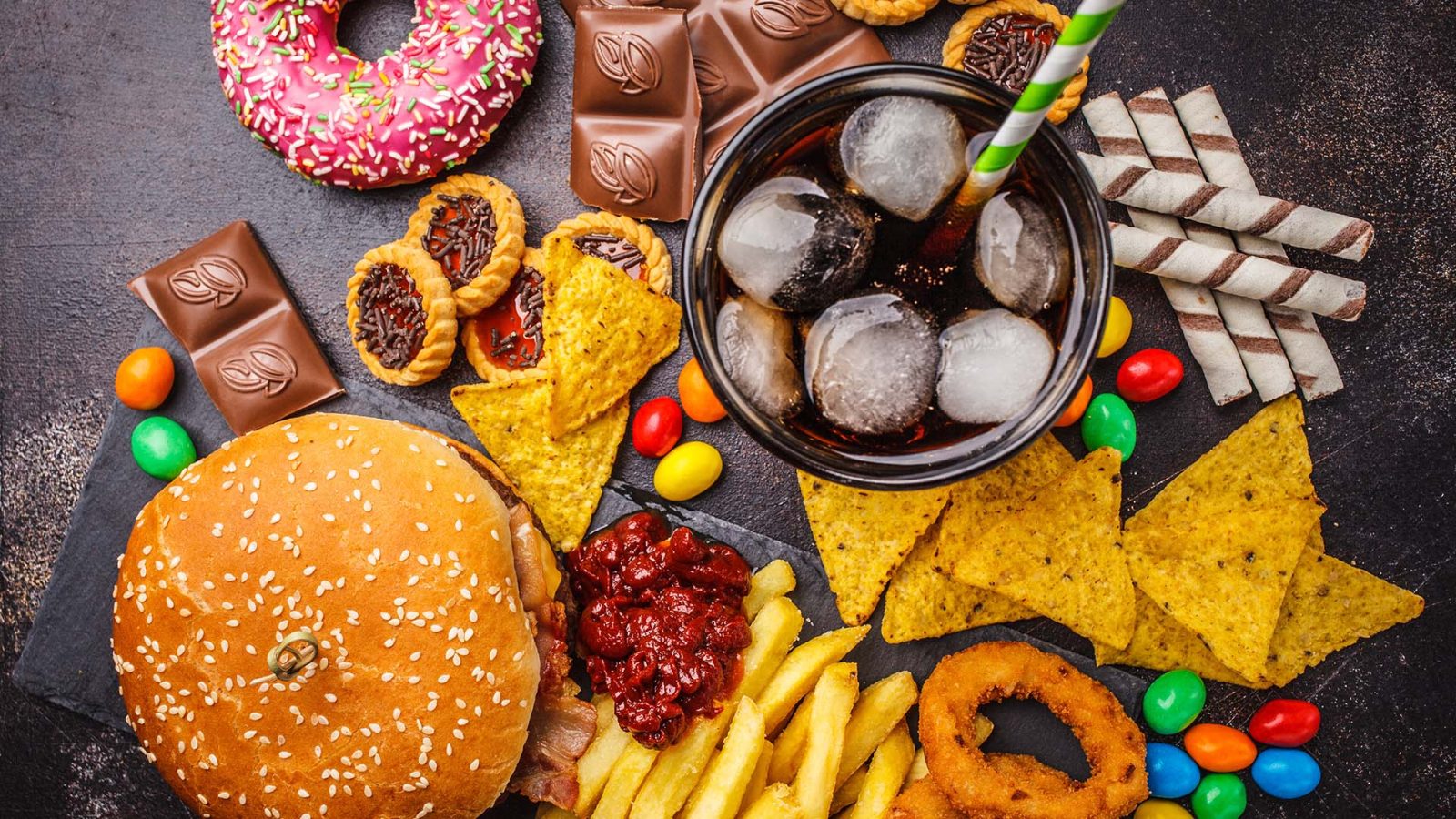
By now, most people know that ultraprocessed foods aren’t good for our health. These heavily manufactured food products have been linked to obesity, diabetes, cardiovascular disease, cancer, depression, cognitive decline, and even an increased risk of early death. Yet, they remain a dominant part of the modern diet.
What Are Ultraprocessed Foods?
According to the NOVA Food Classification system, ultraprocessed foods contain ingredients not typically found in a home kitchen—such as industrial additives, stabilizers, and flavor enhancers. These foods are also produced using complex industrial techniques, like extrusion and molding, which make them highly shelf-stable and hyper-palatable.
From cheese puffs and frozen pizzas to sodas and cookies, ultraprocessed foods are convenient, affordable, and difficult to resist. In fact, they make up up to 70% of the U.S. food supply, making it incredibly hard for consumers to avoid them.
Are Ultraprocessed Foods Inherently Harmful?
While it’s clear that diets high in ultraprocessed foods contribute to poor health, researchers are still exploring the exact mechanisms behind their negative effects. Some key questions include:
- Are certain chemicals, additives, or flavorings in these foods harmful?
- Do ultraprocessed ingredients interact with our microbiome or immune system in damaging ways?
- Do these foods cause weight gain, which then leads to conditions like diabetes and heart disease?
The Science Behind Overconsumption
One of the leading experts in this field, Dr. Kevin Hall of the National Institutes of Health (NIH), has been studying why ultraprocessed foods drive people to overeat.
His groundbreaking 2019 study found that people eating an ultraprocessed diet consumed an average of 500 more calories per day than those eating a minimally processed diet—even when both diets were matched for sugar, fat, fiber, and macronutrients.
Hall is now leading a new trial to determine what makes ultraprocessed foods so addictive. He has two main hypotheses:
- Energy Density – Ultraprocessed foods are more calorie-dense because manufacturers remove water to extend shelf life. This makes them more energy-packed per gram, meaning people consume more calories without realizing it.
- Hyper-Palatability – Many processed foods are designed to hit the “bliss point,” a perfect combination of sugar, salt, fat, and carbohydrates that keeps people coming back for more.
CNN Medical Correspondent Meg Tirrell, who visited Hall’s lab, explained: “It so happens that ultraprocessed foods are much more energy-dense than minimally processed foods… and then the other thing he’s hypothesizing is their hyper-palatability, or the ‘bliss point.’ So, it’s this combination of salt, sugar, fat, and carbs in just the right levels that make us not want to stop eating.”
The Need for Further Research
As ultraprocessed foods continue to dominate global diets, scientists like Hall are working to uncover the full extent of their impact on human health. Understanding the mechanisms behind their addictive nature and health risks may be key to developing better dietary guidelines and policies to combat obesity and chronic disease.
While more research is needed, one thing is already clear: reducing the intake of ultraprocessed foods and focusing on whole, minimally processed ingredients could be a crucial step toward better health.