
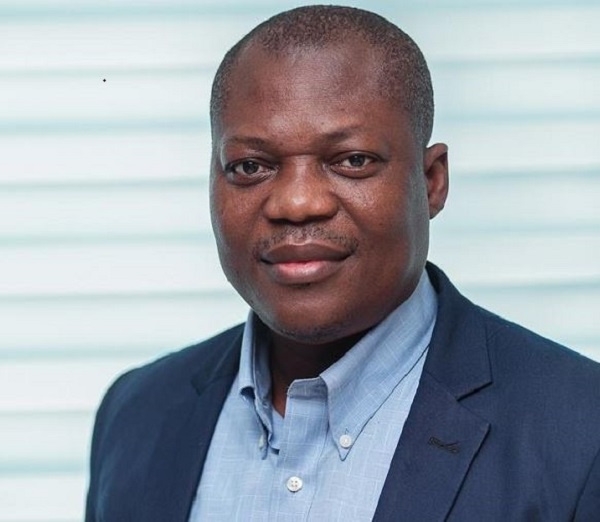
Professor John Gatsi, a member of the planning committee for the National Economic Dialogue, has underscored the critical role that recommendations from the forum will play in determining Ghana’s economic direction. Speaking to Channel One News, Prof. Gatsi described the dialogue as a platform for inclusive discussions and actionable solutions to address the country’s pressing economic challenges.
The two-day forum brought together a diverse group of stakeholders, including experts, policymakers, members of academia, traditional leaders, and representatives from the private sector. Discussions focused on key areas such as sustainable macroeconomic stability, economic transformation, infrastructure development, structural reforms, private sector-led growth, governance enhancement, and anti-corruption efforts.
According to Prof. Gatsi, the outcomes of the dialogue will be integrated into the framework of the National Development Commission to align with Ghana’s long-term development objectives.
“Looking at this from a broader perspective, an economy should be managed where there is inclusivity. That is why during a period of crisis, you allow the best of your people to come together and think to see how you can get out of the crisis,” he stated.
Prof. Gatsi advocated for institutionalising the National Economic Dialogue to ensure that it is held every two years. He explained that regular assessments of implemented policies are necessary to track progress and refine strategies for economic growth.
Addressing concerns about the absence of the opposition New Patriotic Party (NPP) from the forum, Prof. Gatsi stressed that their non-participation does not undermine the inclusivity or relevance of the dialogue. He highlighted that the forum successfully engaged a broad spectrum of stakeholders, including political parties, parliamentarians, chiefs, academia, and private sector leaders.
“You cannot force everybody to be part of a consensus. What we want to achieve is inclusive engagement, and we have invited all political parties, parliamentarians, chiefs, experts, academia, and others. I believe that we have achieved sufficient inclusive engagement,” he explained.
Prof. Gatsi further noted that the absence of any political party reflects their own assessment of the forum’s relevance but does not diminish the impact of the dialogue.
Prof. Gatsi concluded by expressing optimism about the dialogue’s ability to generate meaningful solutions. He stressed that the benefits of collective engagement far outweigh fears or doubts, particularly during times of economic crisis. By fostering collaboration among stakeholders, the dialogue aims to build a resilient and inclusive economy for Ghana’s future.